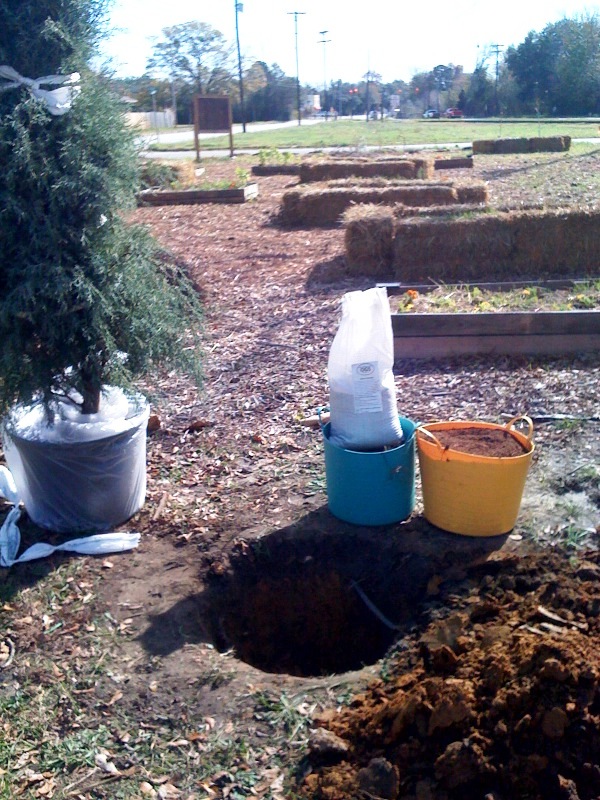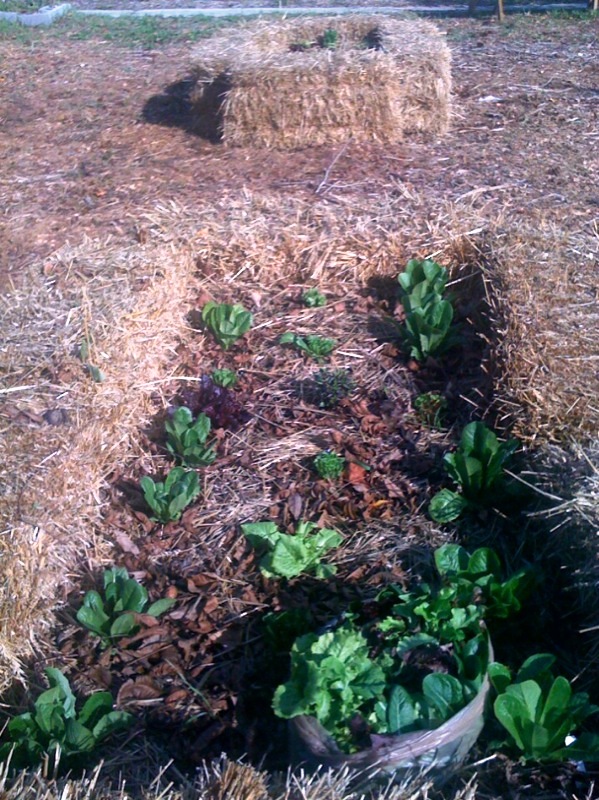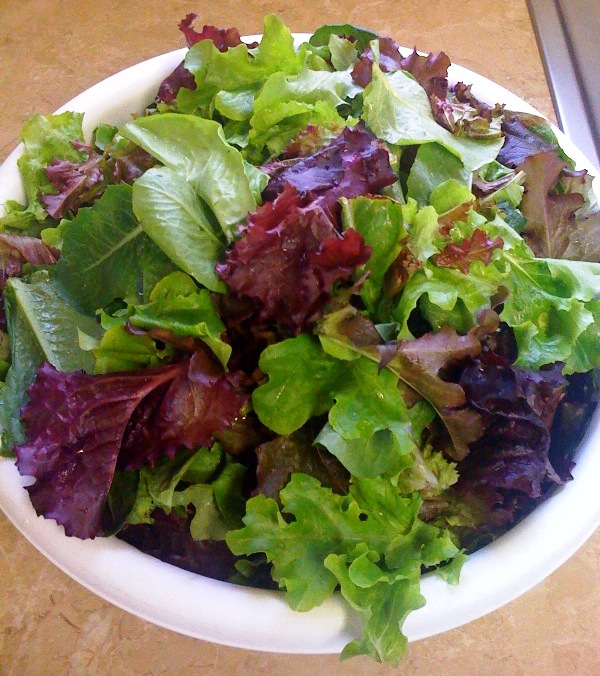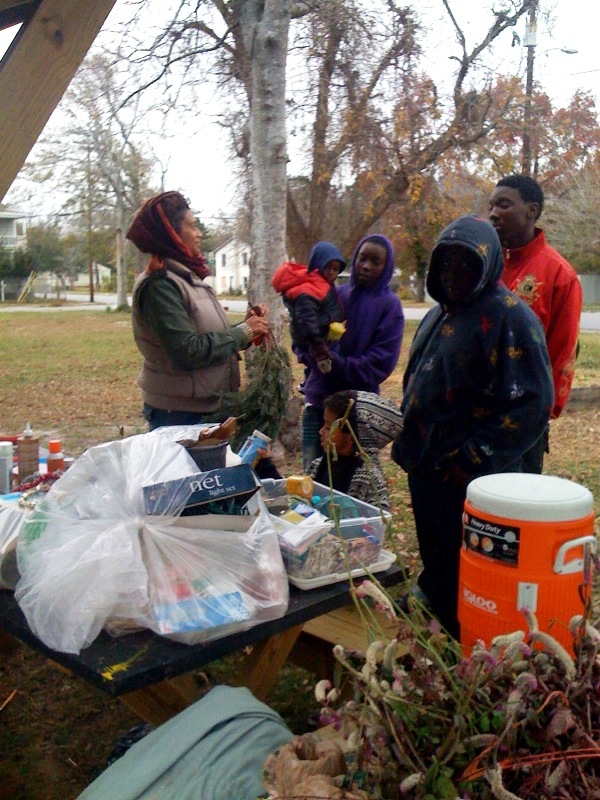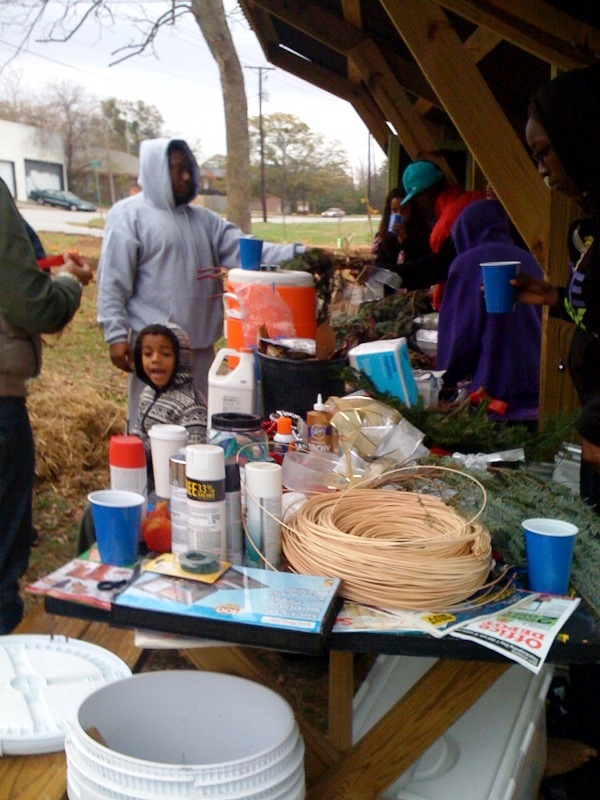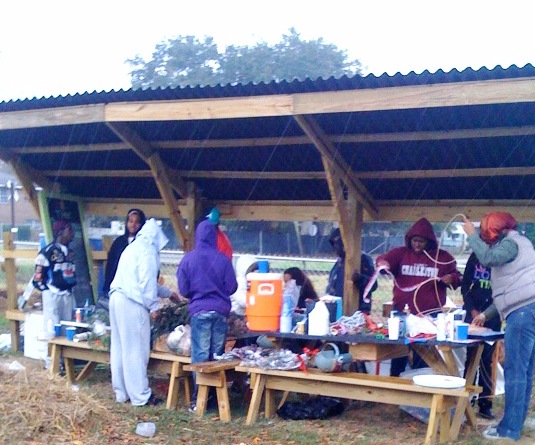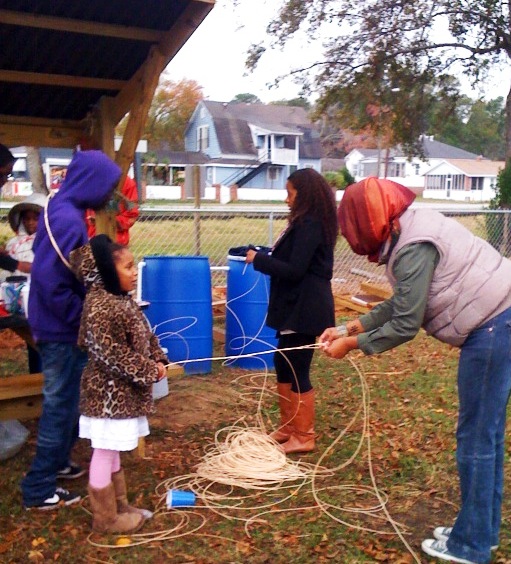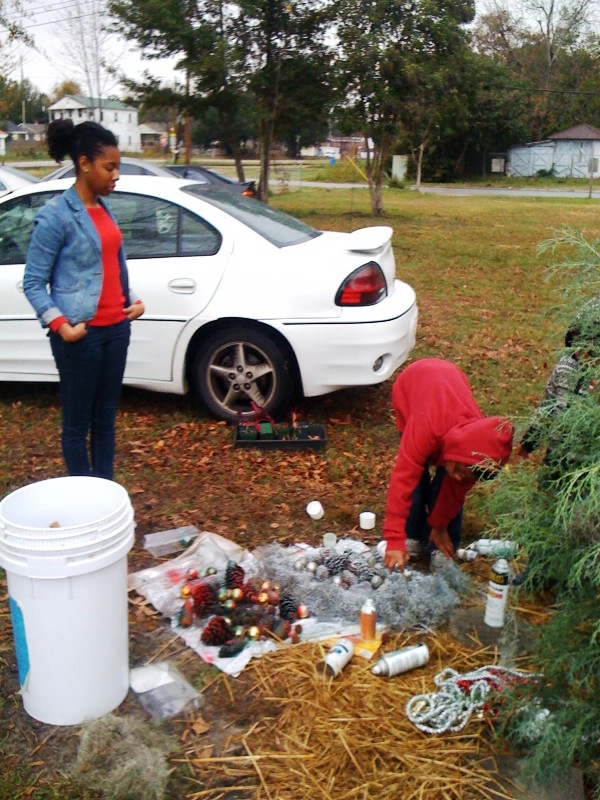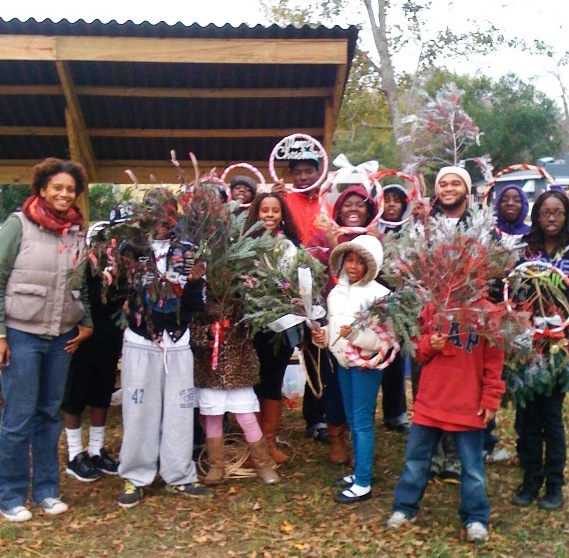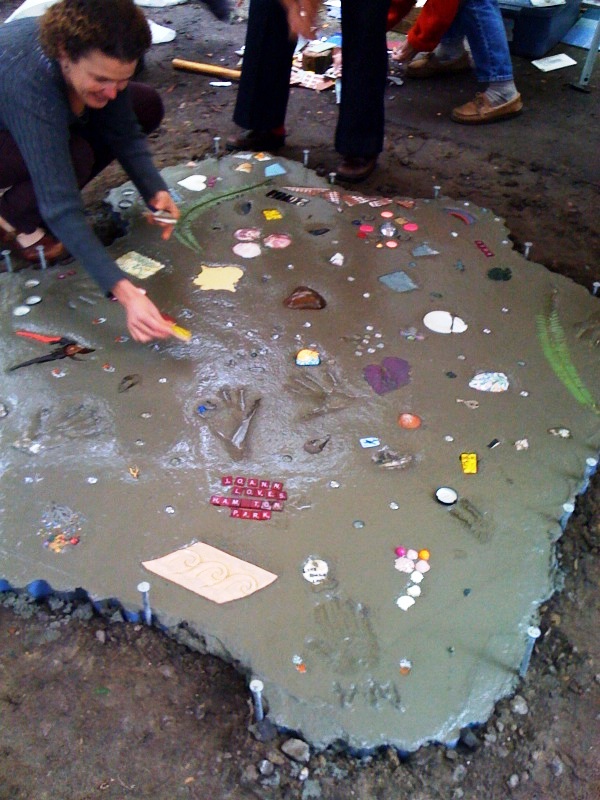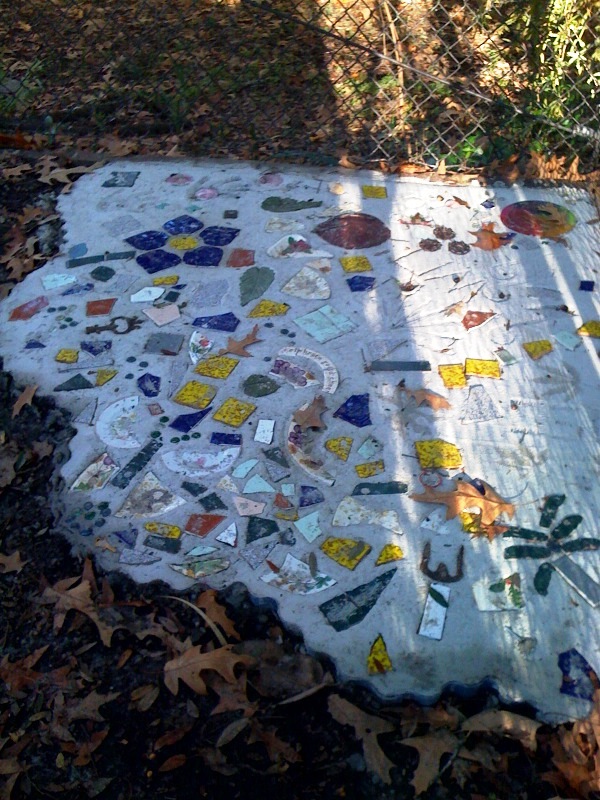
Over at the Urban Veggucation website, I shared many of the benefits that a community garden brings to any neighborhood, especially one like ours. Since July, we have worked really hard to grow food in our humble space on Spruill Avenue. We're still getting the water issue figured out but that hasn't stopped us from making the most of what we have. Sharing the garden's gradual transition with friends and volunteers sparked our newest event - the first ever Lowcountry Art Cart. Art Cart is an artist-led alternative exhibition space/art workshop on wheels that is designed to engage diverse communities in the immediacy of contemporary art. Founded by artist, educator and my sister from another mister, Ms. Jonell Jaime Pulliam. Ironically, our 'fierce fields' collided while working together on a Freedom from Hunger mural she led at the Lowcountry Food Bank almost 3 years ago. The Cart brings movable art-making workshops and art exhibitions to neighborhoods throughout the Tri-County Area. It's a rolling gallery that brings the work of contemporary artists to various communities in Charleston, and the larger South Carolina community. It's primary goals are to:
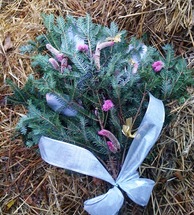
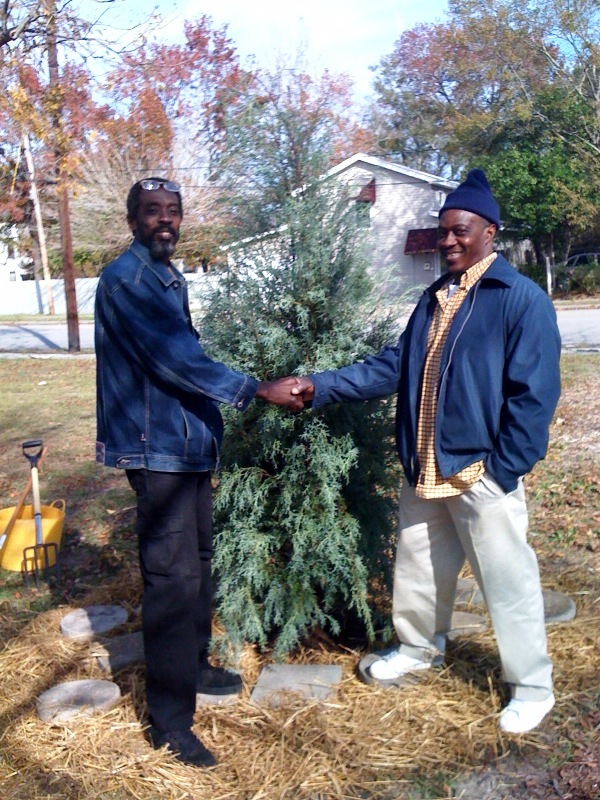
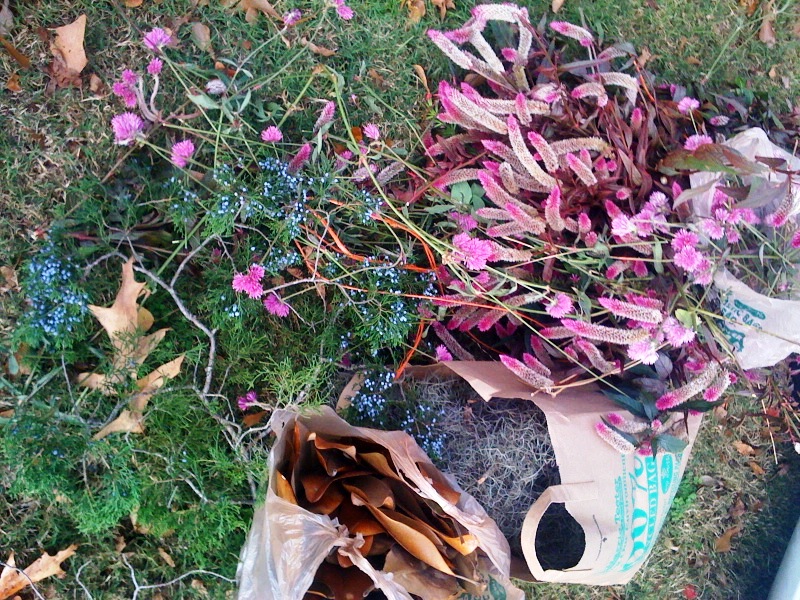
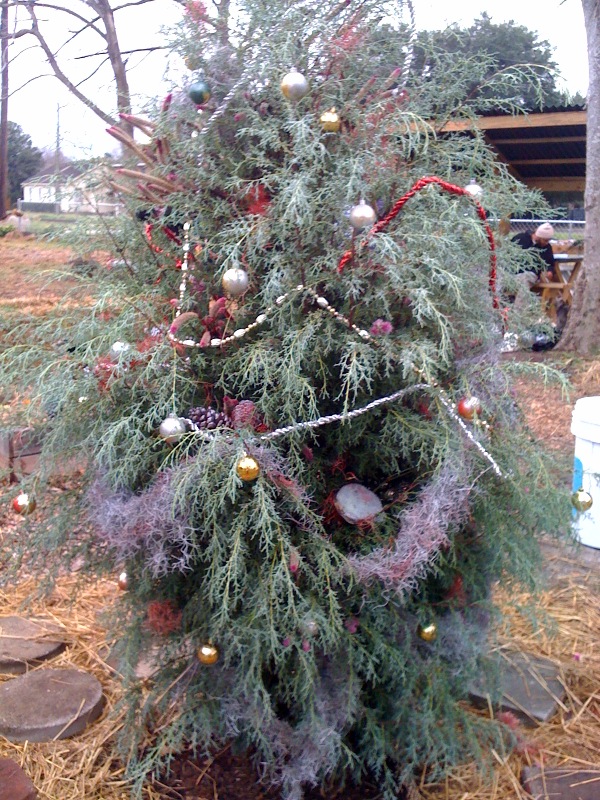
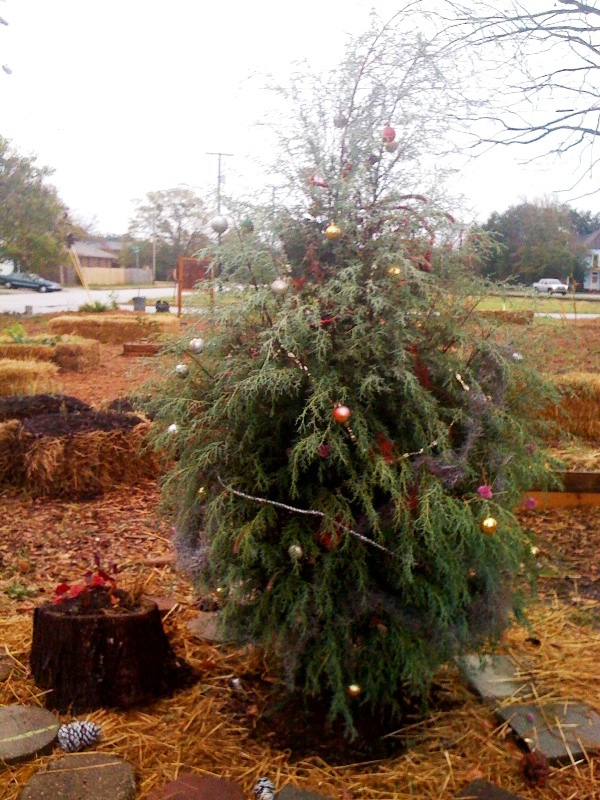
Jonell is an artist and educator with over 13 years of experience working in museums, colleges, and community based organizations in New York City and Charleston, SC. She hails from New York City and has worked at major art museums including The Met, the Whitney, and The Studio Museum in Harlem, as well as the Gibbes Museum of Art in Charleston, SC. Her own artwork uses printmaking, drawing and interactive installations to explore social dynamics and personal interactions. Our children helped me decorate the newly planted Carolina fir Christmas tree. Based on what the neighbors wanted, our community garden is built to support socializing and food production. Bringing more Art Cart activities to North Charleston seems to be a perfect way to accomplish that goal. Merry Christmas and Happy Holidays! G Add Comment Customized edible landscapes are what we do. The Greater Charleston, SC area is where we do it. If you want to bring a personalized farmer's market or CSA to your home, dorm, church, school or J-O-B, Mrs. Germaine Jenkins is your urban organic gardenista. For more details or to schedule a consultation, please visit Urban Veggucation's website or contact me at citychick@urbanveggucation.com. Have a raised bed garden day! Homemade Potato Bins 04/08/2011
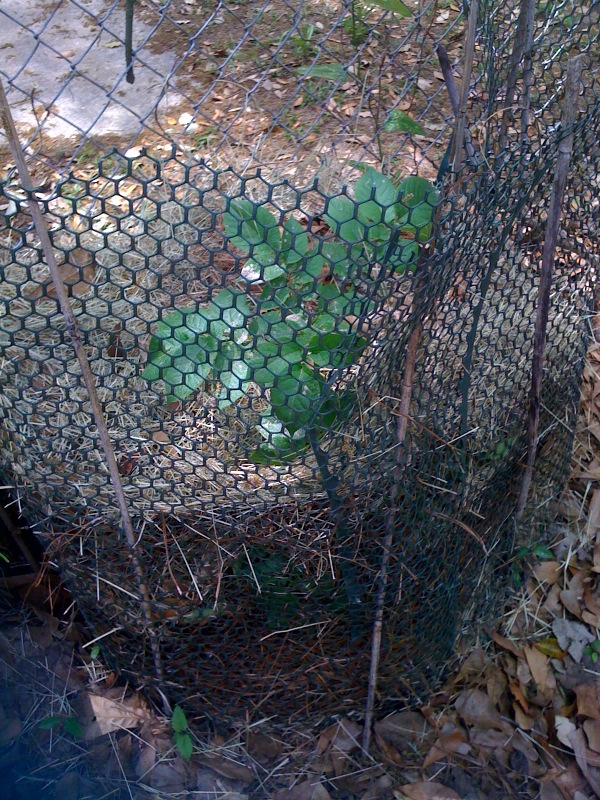
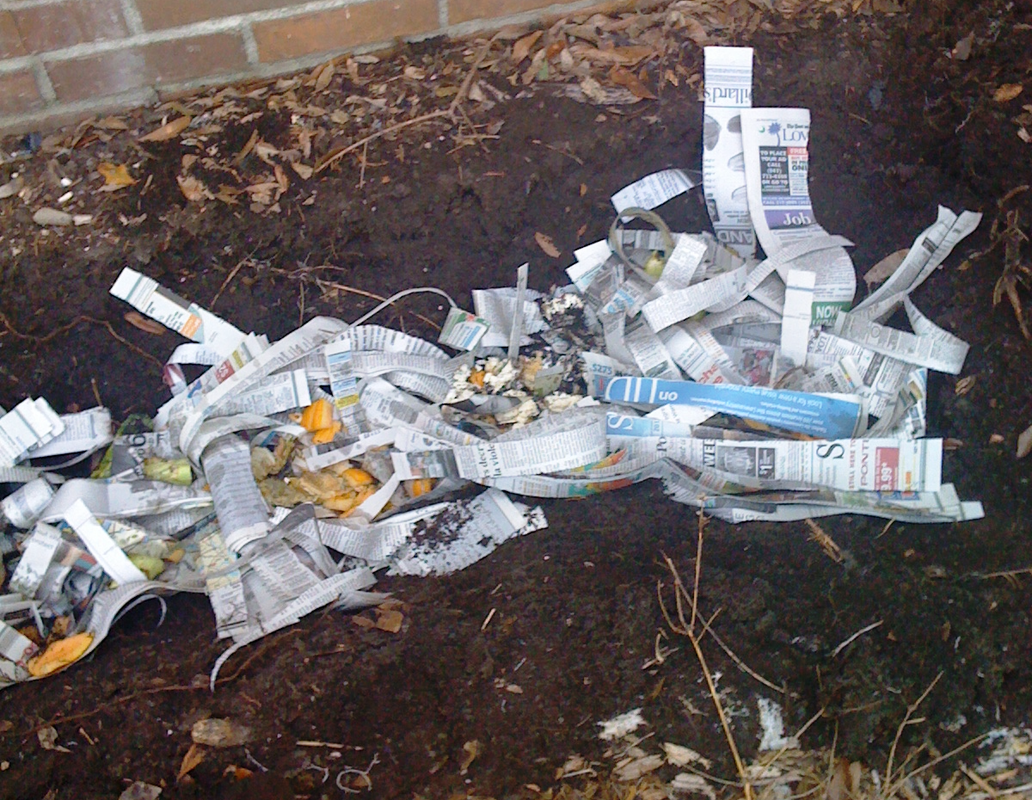
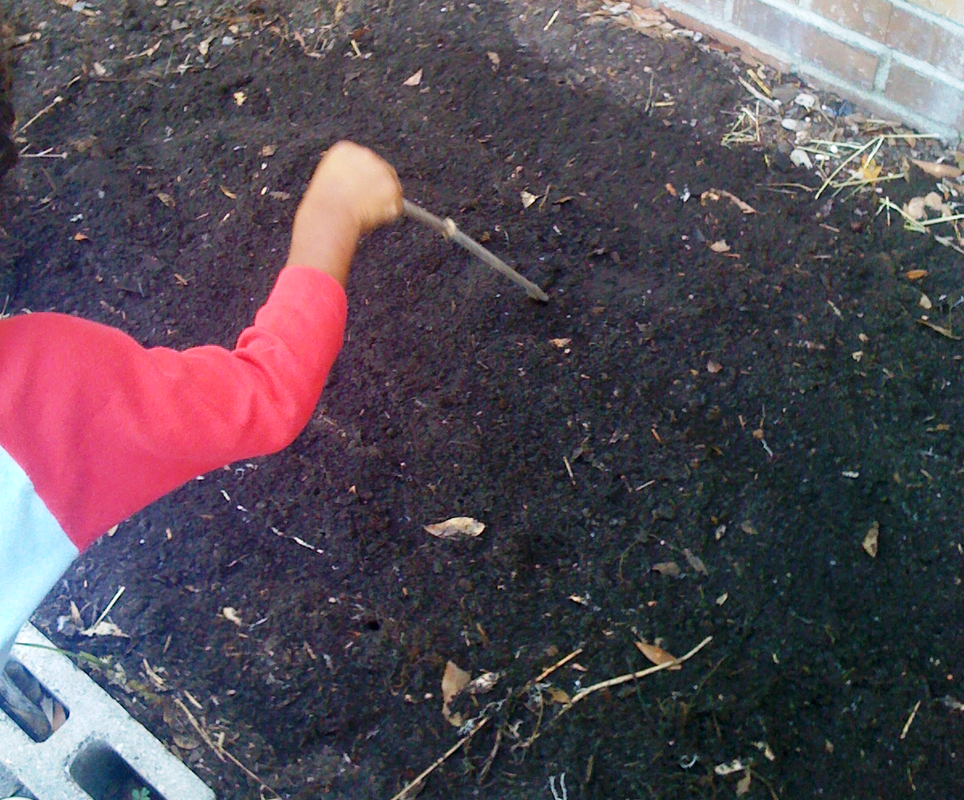
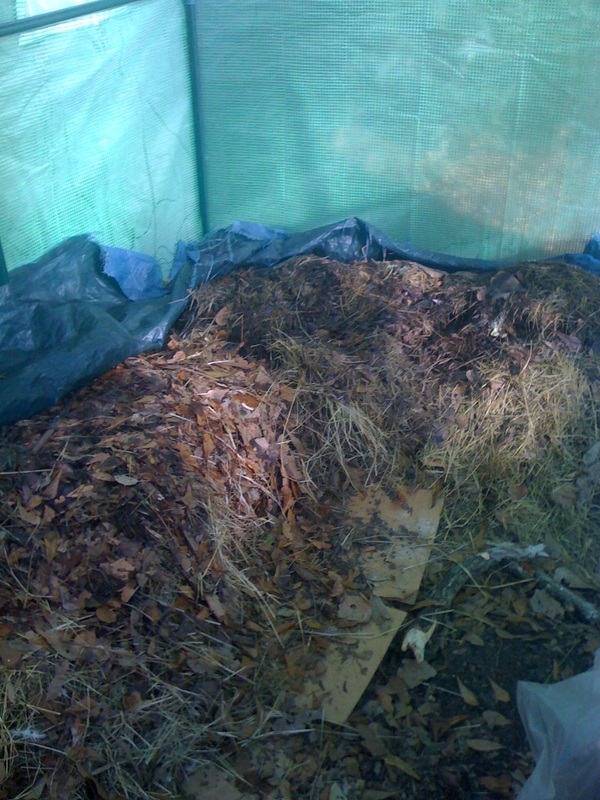
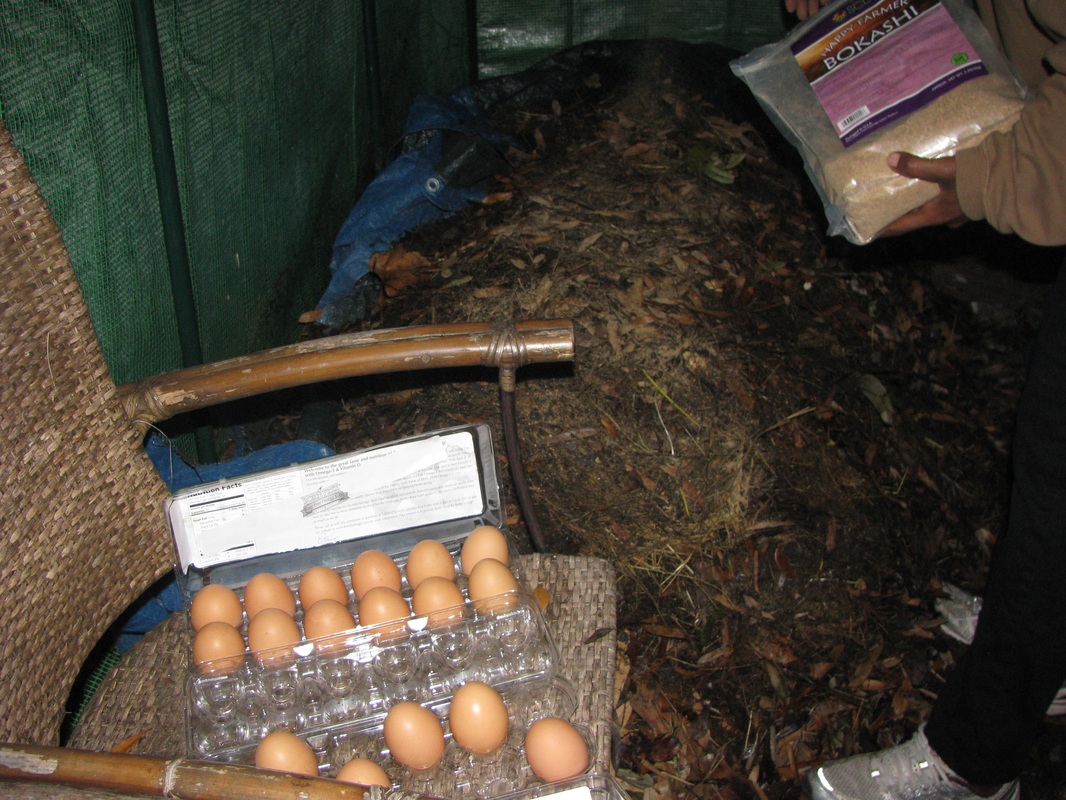
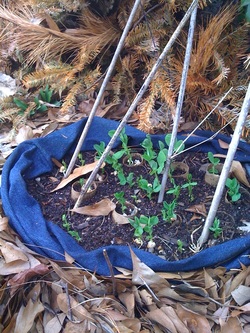
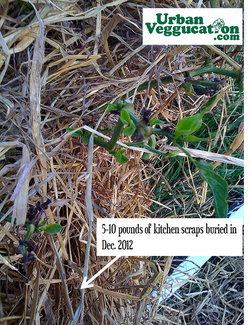
According to the folks over at Planetgreen.com, conventional potatoes are loaded with pesticides and on their list of seven foods farmers won't even eat. If you love those spuds like I do, the only logical step is to grow your own. But if you don't have a lot of space then think about growing them vertically. Here are a few great ideas that you can set up within an hour or two. WVSundown created this awesome Tater Tote instructable. Although they're designed for potatoes, I'd bed these babies would probably work for anywhere you wanted to use a homemade grow bag. If you want something with more structure, check out Cassandra's (aka apachebow) potato bin setup on youtube. I couldn't find the link for the all-natural fertilizer that she mentions but you get the idea. We tried another variation on this theme at our house. I bought organic potatoes from Earth Fare and cut off the developing 'eyes' with a little piece of the potato to anchor them. I let that dry out a couple days and then planted my seed potatoes in homemade denim growbags the fashionista sewed up for me. I grew them in Eliot Coleman's organic soil mix to start them off. Our seed potato baby bin was set inside of this semicircle we pieced together using the leftover pieces of plastic chicken wire (they sell rolls of it at Lowe's) and layered the with whatever straw was on hand at the time. They're doing quite well. Hope you are inspired to grow your own potatoes. Planting fruits and vegetables raised beds was never a problem but keeping those puppies properly watered was another story altogether. After looking at several demos on self watering containers, I found Grant and Max Buster's website called GlobalBuckets.org. Their mission is to create easily replicable self watering gardening systems that can help ease malnutrition all over the world. Did I mention that these guys aren't even 18 yet? Talk about initiative! I loved their ideas so much that I set out to combine the fashionista's homemade grow bags with their global bucket system. I shared the details of that success on their website. First, I used the $2 pickle buckets I scored from Firehouse Subs to plant tomato seeds in late January/early February. G, its too cold even in South Carolina for tomato seeds to germinate in winter. Not if you use the winter sowing method. Trudi Davidoff developed a method for sowing your spring seeds outside in perforated covered containers (wintersown.org). They stay wet from condensation and germinate when they're ready. The bonus is that there's no need to harden off your plants because they've been exposed to the elements all winter long. Colleen Vanderlinden has a great article on the subject. In our backyard, Our system used plastic water bottles with the lids cut off (and then scored with a knife in several places) to give the tomato seeds the desired environment. Anyway, after the tomato seeds started to germinate, I covered them with new water bottles with the caps off as a sort of mini cloche. We salvaged a discarded footlocker to produce the second global bucket style system in our yard. Along with those pics I'm including more photos of our homemade grow bags in action. Since I couldn't get the lid off the footlocker, I used cardboard, newspaper and scraps of plastic chicken wire to craft a makeshift bed for squash plants that grew in our greenhouse. By the way, the http://www.tomatoville.com/showthread.php?p=199465 clued me in on the reusable shopping bag, lead connection. Read the information for yourself. UPDATE NOTE: Shout to everyone's favorite Lowcountry Clemson Extension Horticulture Agent, Amy Dabbs for sharing my trench composting information. Unfortunately, when I changed the name of this blog from 'urban gardening' to 'urban homesteading(TM)' my old posts lost their link. Given all the recent controversy on the subject, I may be renaming this blog yet again. All I'll say is that there are very few new concepts under the sun and urban homesteading (TM) ain't one of them. Anywho, here's the information on trench composting and a couple other cool methods, along with more pics from the yard. G, I don't have time to make my own compost! Sure you do. Here's the first of two quick and easy compost methods. #1) Trench Composting Supplies you'll need. Garden bed or container garden; shovel; food scraps (think produce peels, coffee grounds, tea bags, and unbleached paper plates, towels, etc.). Optional supplies: Newspaper (unending supply from my food coupon adventures) and/or hay for the lasagna style layering affect. Step one: Dig a hole. Step two: Add your food scraps. I chopped mine up with a shovel. Step three: Bury your food scraps. (I've added some shredded paper and hay as a compost 'coverup' that should attract worms and keep pests from digging it up. Like the layered garden technique I learned about and used in my asparagus beds last year from an article on Lasagna Gardening). My asparagus beds look amazing right now, so let's see if my lazy variation works). Oops, I forgot the blood and bone meal. No worries, I'll mix it in with the growing medium. Step four: Get to planting. Want to learn more about lasagna gardening? Then go to the site that documents the authentic lasagna garden method. Patricia Lanza's website (which lists her as the first lasagna gardener) is loaded with step by step instructions. Extra Lazy Urban Garden Ideas That rosemary bush in the center of it all is actually housed inside the stump of a tree we cut down to get more sun for growing food. We reused pieces of the tree's small branches to form these and other beds. After using bamboo we scored on Craigslist to add structure to the ginourmous newspaper pot for a dwarf grapefruit tree, I camouflaged the tree stump in the same manner. I'll do the same for the banana tree that's living in the small shelf a neighbor tossed out as trash. #2) Worm Composting or Vermicomposting What can be simpler than that? Glad you asked. I'll come back with info on making a worm compost bin that you can keep indoors. March 2, 2010 update: I so forgot about adding the stuff on worm composting, but here's a link to Garden Girl TV guide on worm bins to help get you well on your way to vermicomposting fabulousness. If you want to go a whole nutha level with it, here's amyoung's worm bin bag instructable for ya. Somewhere online another guy worked this type system into a table. Pretty cool, huh? Since I'm doing the update anyway, I had to add pics of our large scale composting efforts. Lots o chicken poop and so little space. Taking a cue from Will Allen, my favorite gardener over 6'5" (sorry hon'), we mixed the fragrant chicken coop straw with food scraps, leaves and water to passively heat our greenhouse and literally overnight that bad boy was cooking - to the tune of 75 degrees or higher right in the middle of the last major cold snap in Charleston. So much fun to turn that joker and see smoke rising up from the poo ashes. The pile has cooled and we're going to throw it back in the coop with lots of pine shavings and a little diatomaceous earth so the chickens do the work of breaking it down even further and keeping their coop fresher longer - deep litter method at its finest. Soil blocks and homemade grow bags unite! 02/10/2011
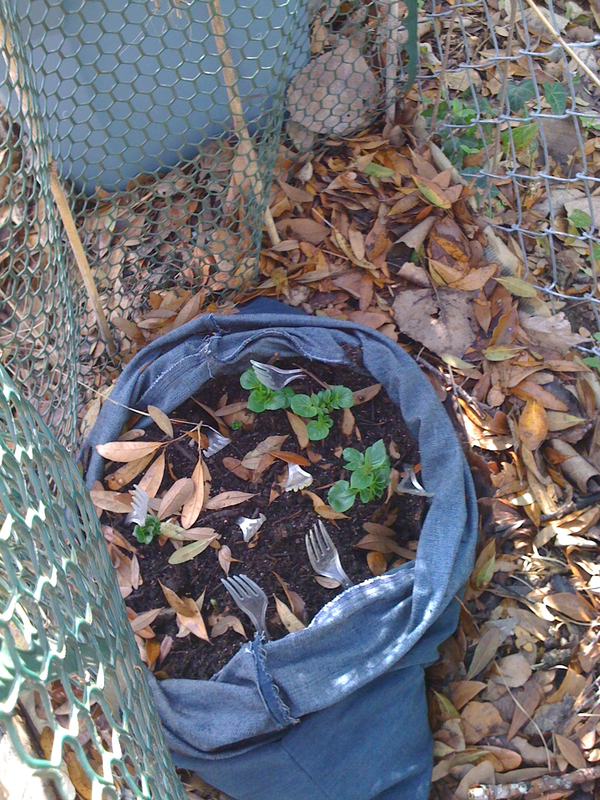
After all the discussion (in my head at least), I finally got around to making the square inch garden soil mix I learned about from the Dervaes' blog. Instead of actually planting them in a traditional raised bed, I filled the homemade growbags the fashionista made for me for Christmas. To get the square inch effect, I planted inside and in between cut up toilet paper and holiday gift wrap rolls. They worked fabulously. Now the little green peas and sugar snaps are starting to come up and we'll be able to get our stir fry on more regularly. Feel free unearth the details of the process on the Freedom Gardens website. After months of researching and finding best practices online, our new and improved urban homestead is taking shape (again). This time, the focus is on creating attractive productive spaces that are easy to manage for people with busy schedules, like me. What we're planning is a combination of permaculture food forest, African keyhole garden, winter sowing, greenhouses and the Dervaes' square inch gardening method. Built the first (of 8) African keyhole beds earlier this week. Hubby and me repositioned fruit trees and bushes on the fence line and in the backyard today. My everything hurts but it was well worth it. Raising Fish in the City 12/19/2010
I'm no where near ready to embark on the fishery path but found a good informative article that I'd like to keep handy for the day I feel confident (or crazy) enough to handle tilapia. Thanks to Permie Punks of the Punk Rock Permaculture E-zine for doing the research for us. Backyard Chicken Adventures Never Cease 12/05/2010
Want to get to know your neighbors? Pass out lost chicken posters like I did last week. The two hens we raised from biddies were none too pleased with last week's change in living arrangements. The two new light brahmas quickly established that they weren't putting up with any nonsense, so our older hens targeted the other 3 hens. The fact that new batch of hens are a few months older was of no importance, they still got chased around the coop. Within 48 hours of moving in, our only Sex Link hen flew the coop after being chased by the dynamic duo. Somehow or another, she fell out of the main coop into the greenhouse and spent the day examining the yard. That was until she was cornered and promptly took off. I got the sad news after returning from a day long out of town conference. With the large number of raccoons, feral cats, possums and such that wander the streets and unseasonably frigid nighttime temperatures, I thought our hen was good as gone. Two days later, we spotted her in a neighbor's front yard. Again, she was cornered and took off in the opposite direction. After properly securing the exit route, I printed and passed out fliers in search of our hen, who always happened to pop up a house or two away at dusk and at dawn. After 5 days of searching, a neighbor found her perched on their fence. After a brief chase into some thorny bushes our Sex Link was back at home. A classic case of the instinctive pecking order syndrome reared its ugly head in our coop and our two hens were determined to show their stuff anytime my back was turned. I ended up separating them from the rest of the flock to maintain some order. We haven't gotten an egg since that first day and hoped that keeping the layers calm might do the trick. That effort led to tonight's expansion/near completion of a new east wing on the coop and the covering of the adjoining passive solar greenhouse. While I bought a roll of chicken wire, assorted bungee cords, and more roofing nails, the bulk of new construction came from piecing together materials laying around the yard. As you may remember, the unsexed chickens we raised from biddies turned out to be mostly roosters. So we needed more hens and no one on Craigslist Charleston has been posting the quantities or breeds I've been seeking out. A new chicken acquaintance pointed me to the a vendor at the Flea Market on the Ladson, SC Fairgrounds as a potential source for new egg layers. After we sold off the last of our chicken dudes last Saturday, we headed toward Ladson but just missed the vendor but found produce and a few cool recipes that I'll share elsewhere. Anyway, we went back on Sunday after church and met Abby from BIG CHICKENS on a little farm. She and Jerry operate a livestock farm in Cross, SC. She only sells from the fairgrounds on Saturdays and Sundays from 8 am to 3 pm. She usually keeps a generous supply of hens on hand. But you can call her with special requests ahead of time. Here are some of her prices for basic livestock
| I Dig Lazy Urban Homesteads(TM)...
Master gardener in the community...cheap, urban homestead mad scientist at home. Need Urban Garden Ideas?
ArchivesDecember 2011 CategoriesAll |


RSS Feed